
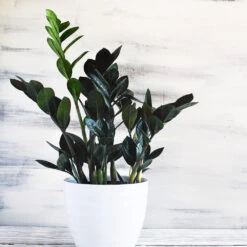
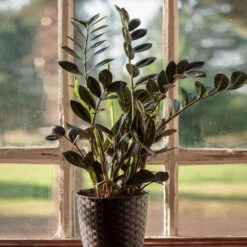
Raven ZZ Plant
Original price was: $74.95.$52.47Current price is: $52.47.
- There are quality problems, free return and exchange
- Safe and Secure Shopping
- Easy, Fast Returns Guarantee
- Your Security is Our Promise

An Easy-Care Plant with Knockout Black Color
Why Raven ZZ Plants?
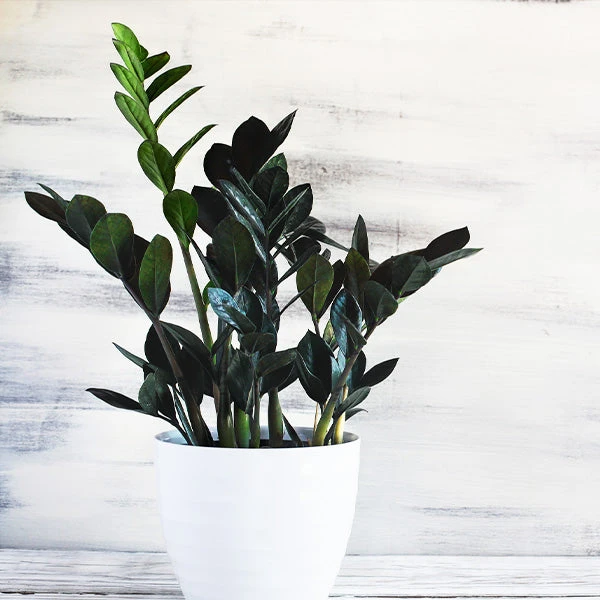
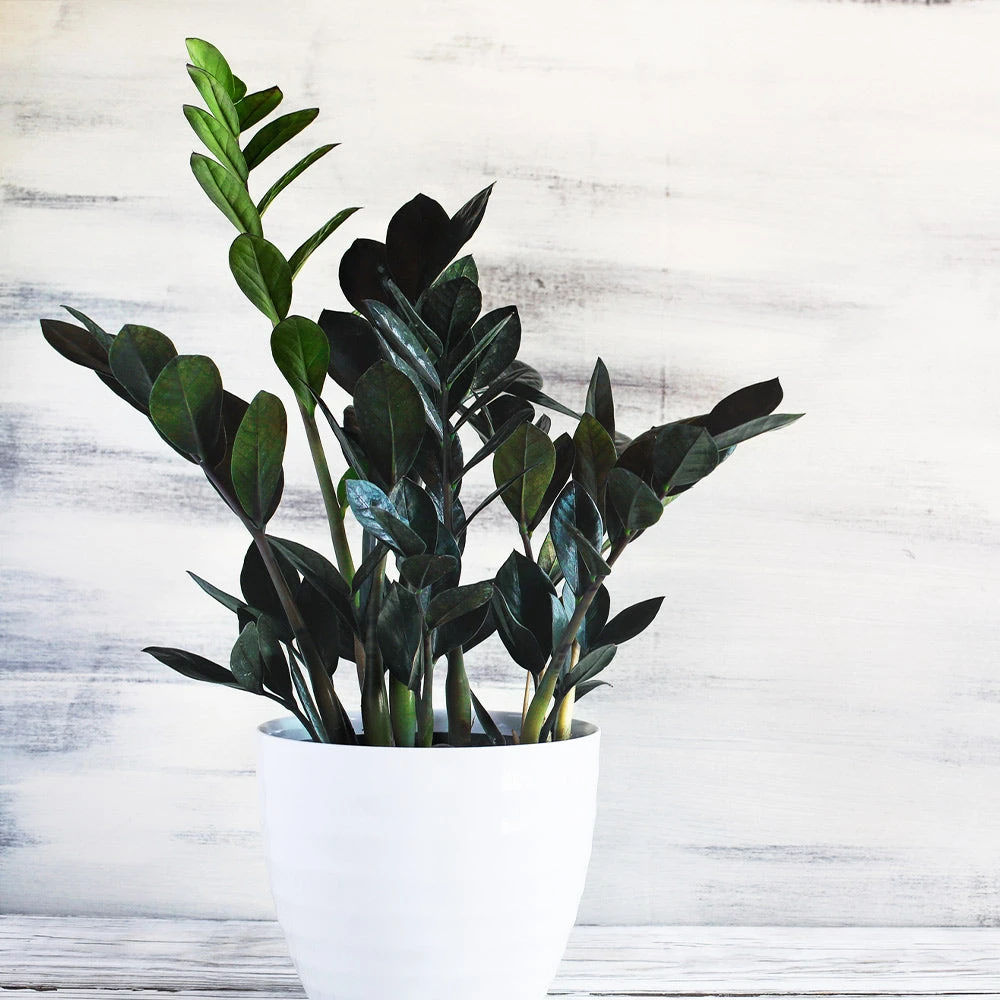
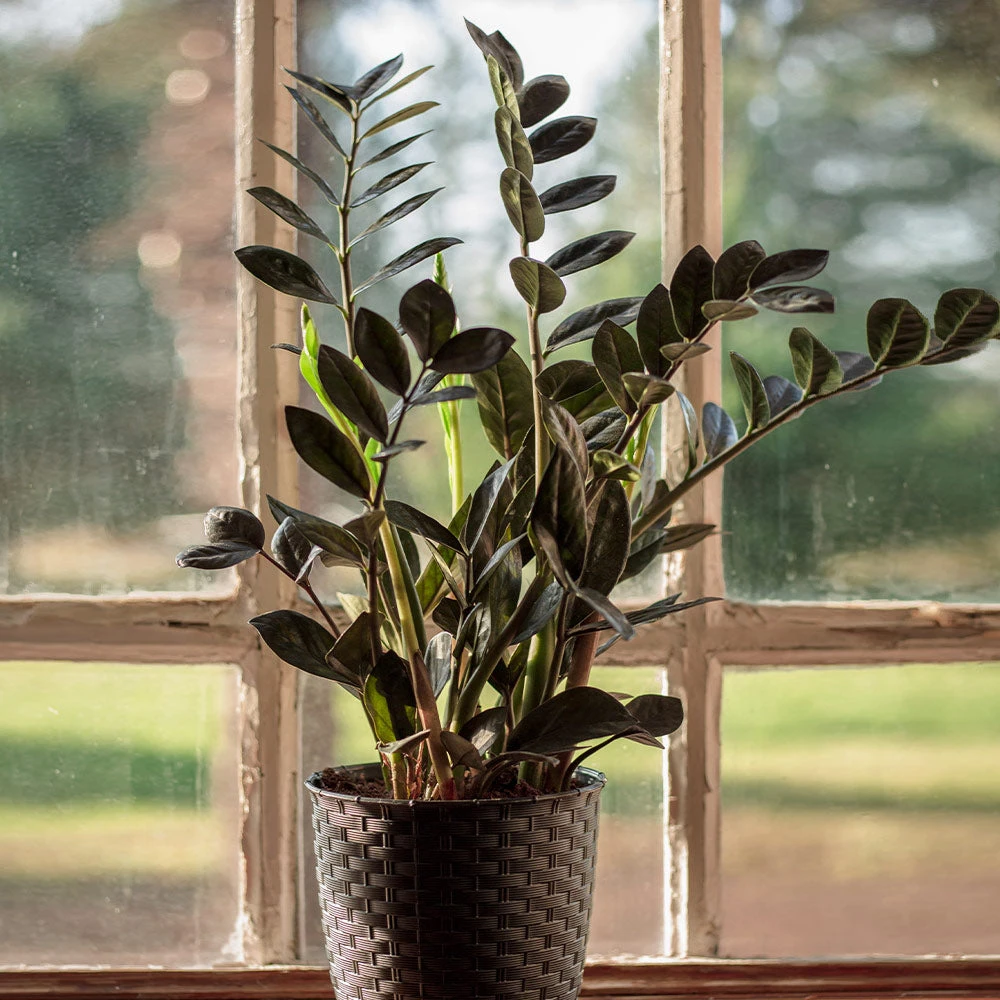
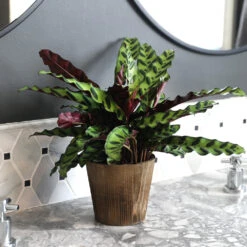
One of the most sophisticated house plants you’ll find, the Raven ZZ Plant stands out with deep purple-black foliage. This unusual color makes it an ideal choice for anyone looking for one-of-a kind indoor greenery.
The Raven ZZ features shiny, leathery leaves that sprout from upward-growing stalks, reaching one to three feet tall. The slightly-rounded leaves start out a bright green before darkening to nearly black as they age.
And while it’s incredibly unique, the Raven ZZ is a great beginner plant. It can grow even in low light conditions, and the plant will continue to thrive even if you miss a few waterings!
Because the plant is so easy to care for, the Raven ZZ is great for offices and novice gardeners. And with a compact size, you can keep it on tabletops when it’s young, before moving it to the floor as it grows taller. This plant is toxic to both humans and animals, so proceed with caution around kids and pets.
Why FastGrowingTrees.com is Better
Even the hardiest houseplants need extra care when they’re starting out. That’s why a Raven ZZ plant from FastGrowingTrees.com is guaranteed to thrive. Our expert growers nurture your one-of-a-kind plant from its beginning, so it’s ready to display its dramatic beauty in your home as soon as it arrives.
Add a luxurious flair to your home or office – get your Raven ZZ today!
Planting & Care
1. Planting: The best place for your ZZ Plant is near an east-facing window free from drafts. When you’re ready to plant, select a pot that is approximately 12 to 14 inches in diameter and fill it with well-drained soil. Also, make sure your pot has proper drainage holes.
Tip: You can place your pot on top of a base with stones to prevent spills and allow for proper moisture containment.
2. Watering: Allow the top layer of the soil to dry out completely, and then water deeply until water begins to drain. Repeat this process as needed – simply check your soil about three inches down for dryness.
3. Fertilizing: Start fertilizing at the beginning of the growing season in April with a succulent fertilizer. Follow the instructions on the package, and stop fertilizing around August.
| Size | 6 Inch, 1 Gallon, 3 Gallon |
|---|
Be the first to review “Raven ZZ Plant”
Related products
Cold Hardy Patio Plants


Bougainvillea Plants
House & Patio


Cold Hardy Patio Plants


Fruit Patio Plants


Bougainvillea Plants
Cold Hardy Patio Plants

House & Patio
Reviews
There are no reviews yet.