
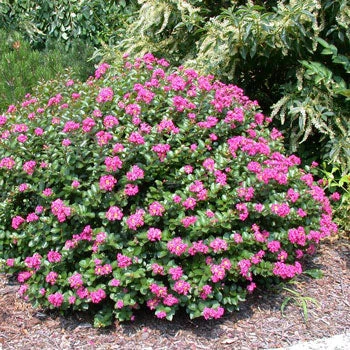

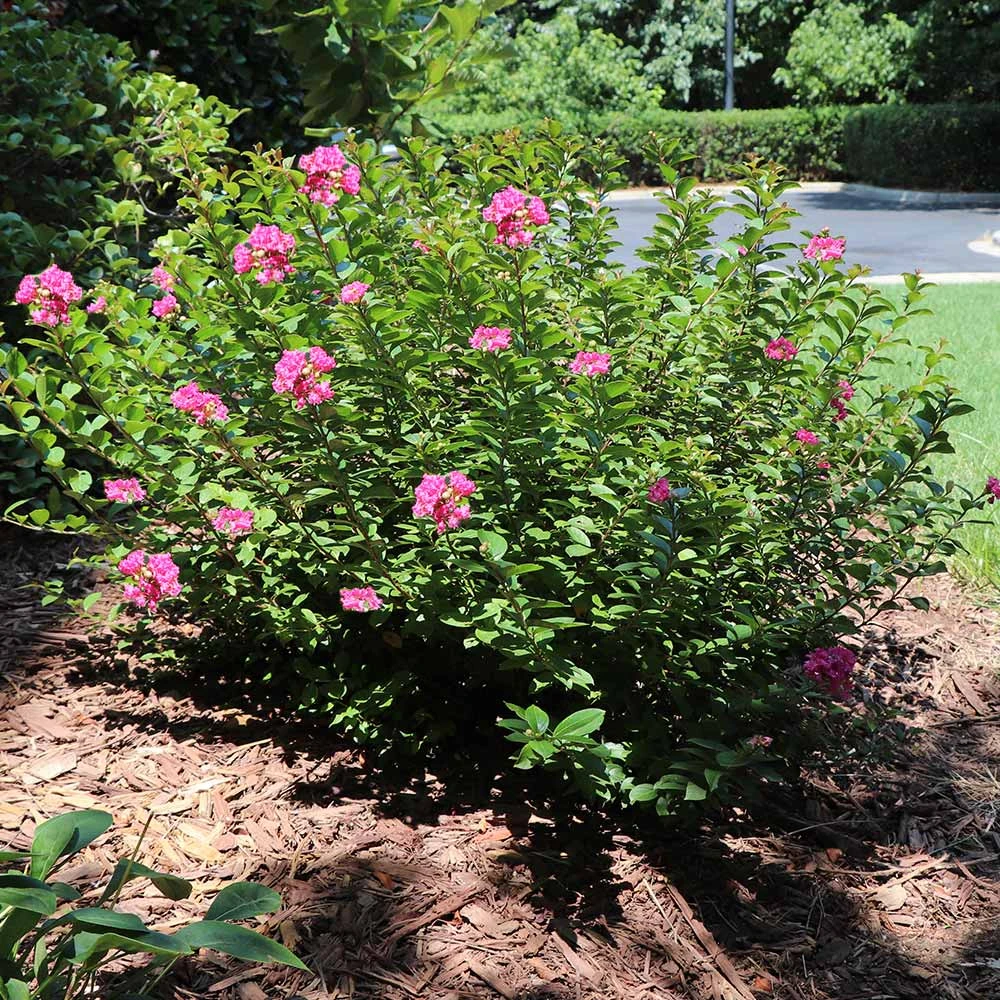
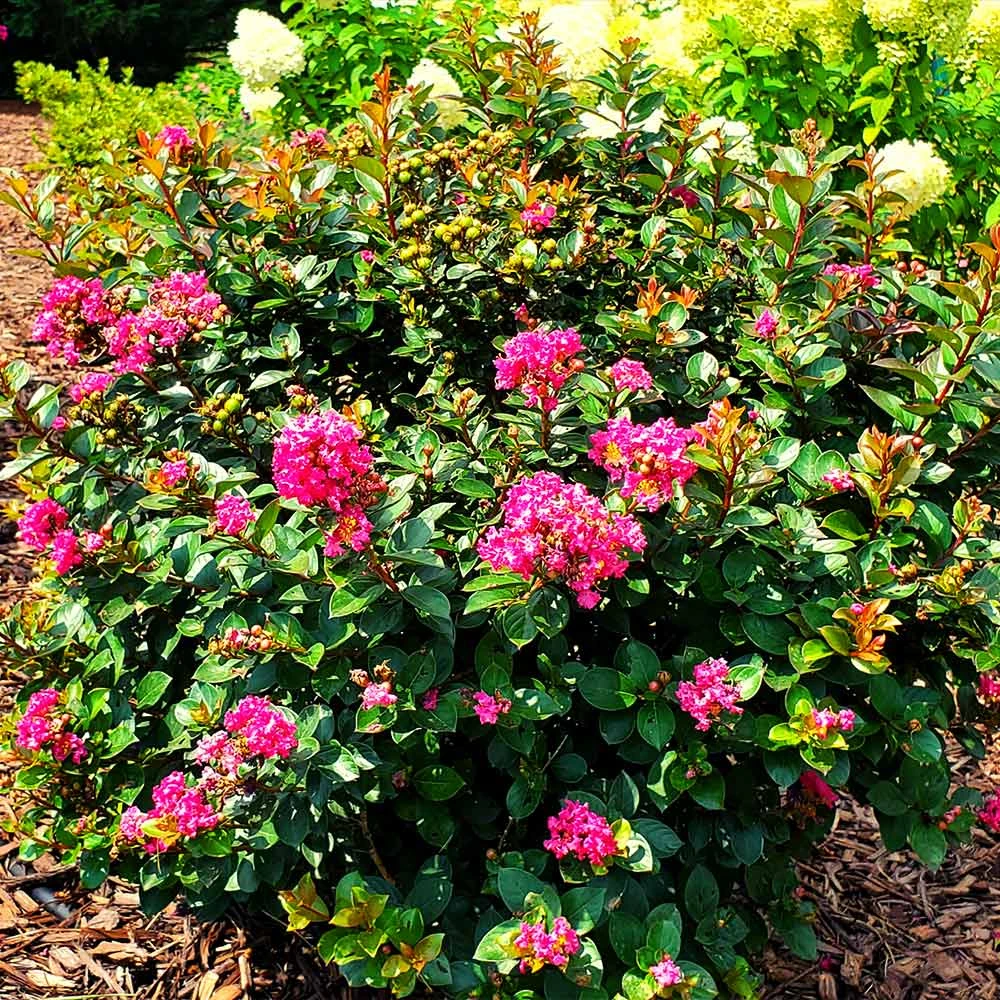
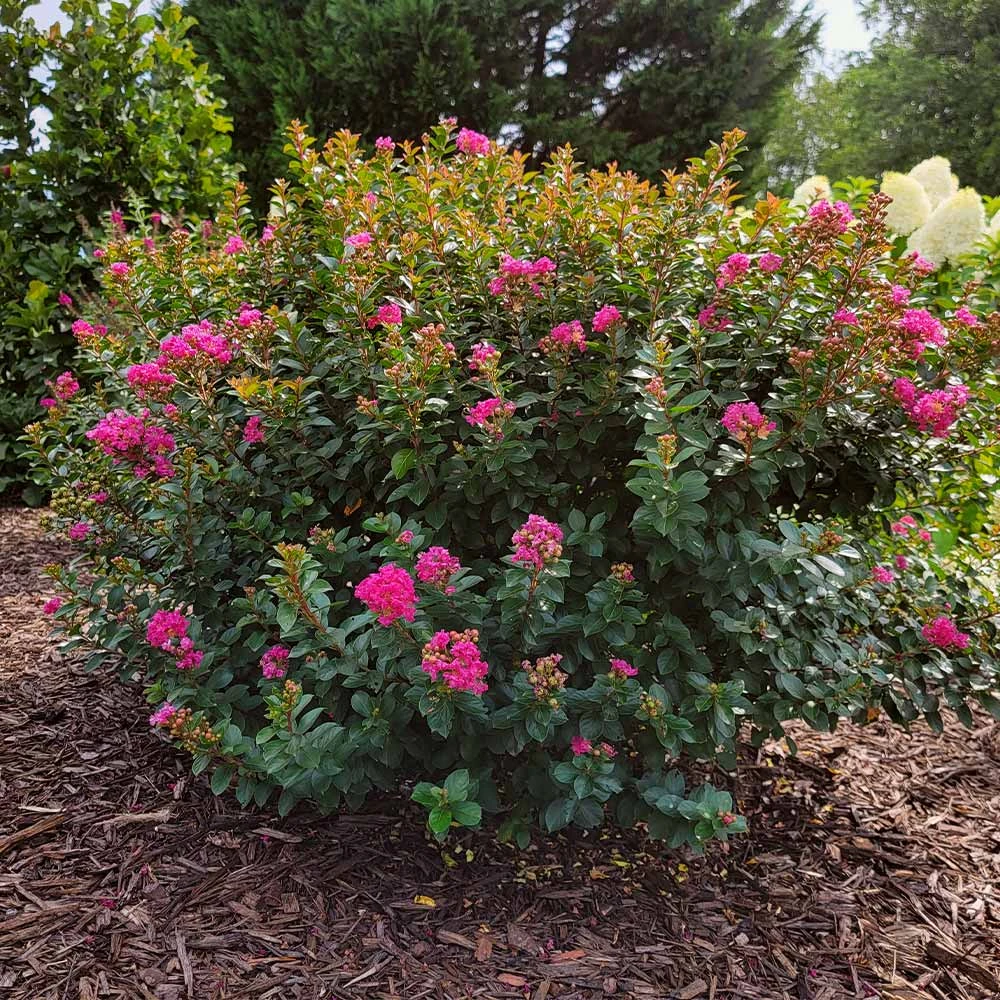
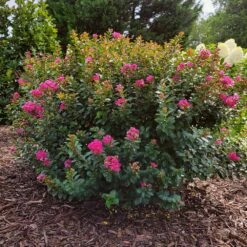
Pocomoke Crape Myrtle
Original price was: $39.95.$27.97Current price is: $27.97.
- There are quality problems, free return and exchange
- Safe and Secure Shopping
- Easy, Fast Returns Guarantee
- Your Security is Our Promise

The Beauty of Crape Myrtles, Now in Shrub Form
Why Pocomoke Crape Myrtles?
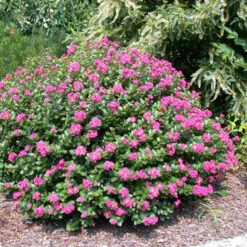
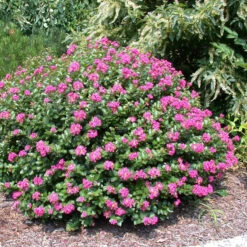
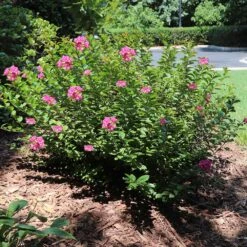
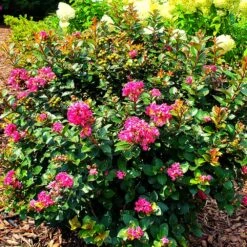
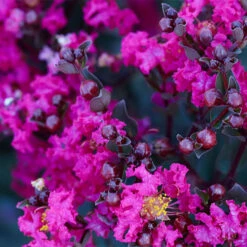
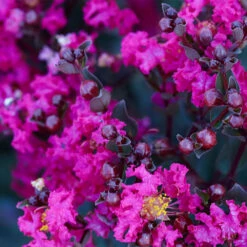
Imagine the beauty of your favorite Crape Myrtle in a manageable dwarf size – with the Pocomoke Crape Myrtle, you’ll get bunches of rosy pink florals in a unique, smaller silhouette. And the numerous blooms are contrasted perfectly by its rich, dark green foliage that transitions to a bronzy-red hue in the fall.
So, you get the promise of month-to-month visual interest. Plus, not only is the Pocomoke great-looking, but it’s also versatile since it can be planted as a focal point accent, container plant or mass border along fences and streets. You’ll get everything you love in a Crape Myrtle in a size well-suited for any area…even in smaller, tight spaces. And it’s especially attractive because it’s cold hardier than other varieties, pet-friendly and easy to maintain.
Even better? It’s cold hardy all the way down to 0 degrees. Forget excessive pruning to prevent your Crape from dying back…the Pocomoke thrives in frigid temperatures without any hassle on your part.
Why Fast-Growing-Trees.com is Better
But the best part about our Pocomoke Crape Myrtle is that it’s a proven performer. It’s proven because we’ve planted, grown and meticulously monitored this variety from day one, so by the time it arrives at your door, it’s already ready to go and grow. You get better results since we’ve put in the hard work to ensure it thrives.
You’ll get consistent benefits, year after year – the benefits of size, shape, and color, no matter where your Pocomoke is planted. If you’re looking for the beauty of the classic Crape Myrtle in a smaller size, look no further. Order your own Pocomoke Crape Myrtle today!
Planting & Care
1. Planting: Start by choosing an area with well-drained soil and plenty of sun – about 6 to 8 hours of sunlight per day. Once you’ve chosen your location, dig a hole approximately 2 times the width of your plant’s root ball. Place your Pocomoke, backfill its soil and then water to settle the roots.
2. Watering: Water your Pocomoke regularly, about once or twice a week during the first growing season. But if you’re not sure when to water, simply check the surrounding soil about 2 to 3 inches down – if it’s dry, it’s time to water.
3. Fertilizing: Feed your Crape with a general-purpose fertilizer during spring, before new growth begins.
4. Pruning: Prune your plant for shaping purposes during late winter or early spring.
| Size | 1 Gallon, 2 Gallon, 3 Gallon |
|---|
Be the first to review “Pocomoke Crape Myrtle”
Related products
Colorful Patio Plants
Flowering Trees

Air Purifying House Plants


Crape Myrtles
Crape Myrtles


Bougainvillea Plants

Air Purifying House Plants
Flowering Trees
Reviews
There are no reviews yet.